






Build a Strong,
Future-Forward News
& Information Business
Understand what your customers need. Find where disruption creates opportunity. The Business Success Initiative (BSI) combines a proven strategic framework, cross-industry case studies, diagnostic tools and hands-on coaching to help you turn changing customer needs into new business opportunities.
What We Offer
Tools for Every Stage,
From the People Behind Them
Whether you want to launch a new business, scale what already works, learn the principles or teach them, this is for you.
-

Strategic Framework
The eight stages, what they involve, and how to put them into practice.
Start Here
-

Case Studies
In-depth analyses of real cases, from inside and outside journalism, on how organizations met disruption.
From $15
-

Expert Coaching
From one-on-one sessions to group webinars to guest instruction sessions, work with a strategist as you apply the framework.
Book a Session
Build Your Bundle
Take the full Business Success curriculum or choose the modules that best fit your needs. Whether you’re a business entering a new community, an institution developing coursework, a leader deepening your strategy or a coach helping others grow, you can build the BSI experience that works for you.
How It Works
Disruption Is a Cycle. So Is the Response.
Lasting success takes the right strategy and the right metrics. It also takes a business mindset, one that starts with your customers at its center. The BSI Framework guides news providers through eight stages, from reading the market to scaling what works. Learn more about how each stage works, see it in action through cross-industry case studies and apply it with coaching and metrics from CNTI.
Stage 1
Assess the Landscape
Start by looking outward. Map how your market, your audience’s needs, and your competitors are shifting, and where value is moving.
In Practice
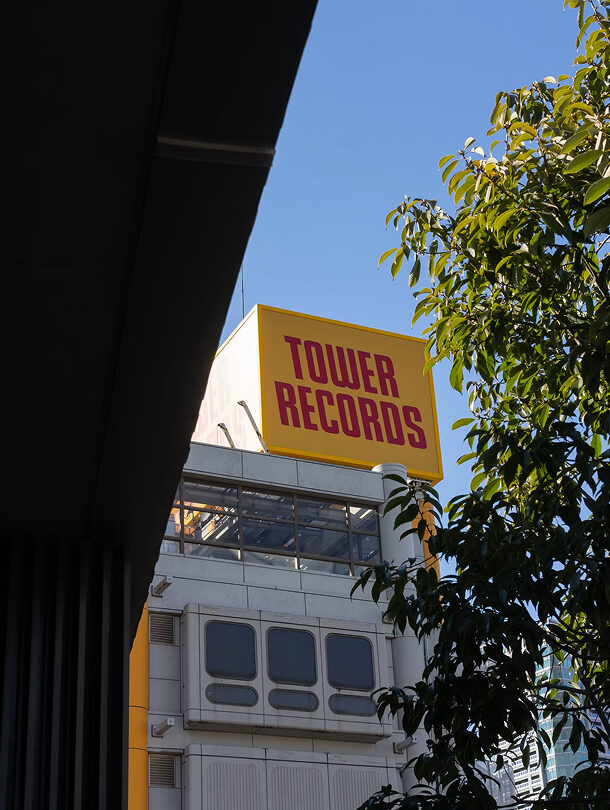
Tower Records built a beloved retail empire around physical music. As listening moved to downloads and digital services, the chain’s model couldn’t follow, and it filed for bankruptcy in 2006.
Stage 2
Define the Vision
Decide what distinct value your newsroom will create for its community in the market that exists now, not the one you remember.
In Practice
As information moved online, many public libraries redefined their purpose, expanding digital lending and positioning themselves as spaces for learning, services, and civic life.

Stage 3
Build the Coalition
Align staff, board, funders, and community partners around the vision before committing resources.
In Practice
Houston Landing launched in 2023 as a nonprofit local newsroom backed by a group of major philanthropic funders, a test of what a well-resourced coalition can build from scratch.

Stage 4
Design the Model
Choose the revenue pathways and organizational structure that fit your market and your mission.
In Practice
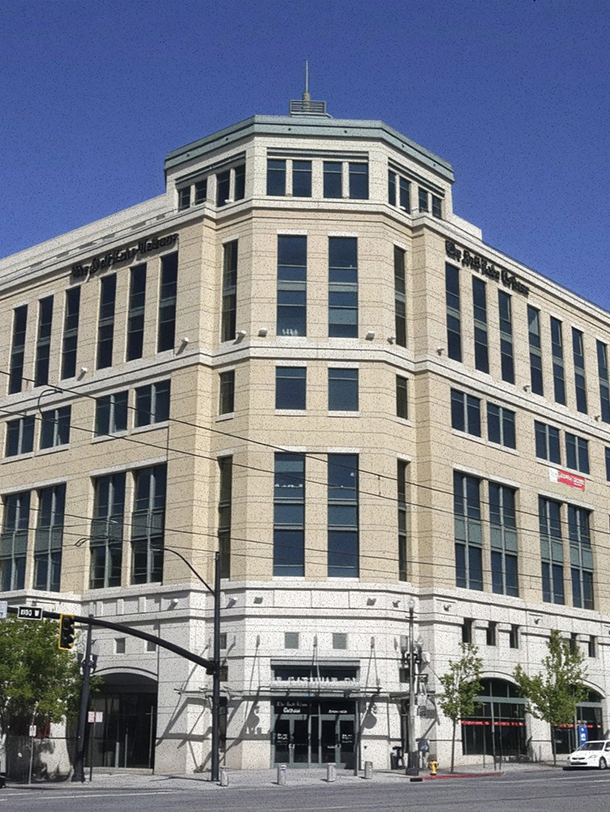
In 2019, The Salt Lake Tribune became the first legacy daily newspaper in the U.S. to convert to nonprofit status, changing how it raises money and whom it answers to.
Stage 5
Invest in Technology
Put the tools and infrastructure in place that your model depends on, before you need them at scale.
In Practice
Netflix began streaming in 2007 while its DVD-by-mail business was still growing, investing in the technology its future model would need instead of protecting the one that was working.

Stage 6
Test & Learn
Run small experiments, measure them against clear benchmarks, and keep what the evidence supports.
In Practice
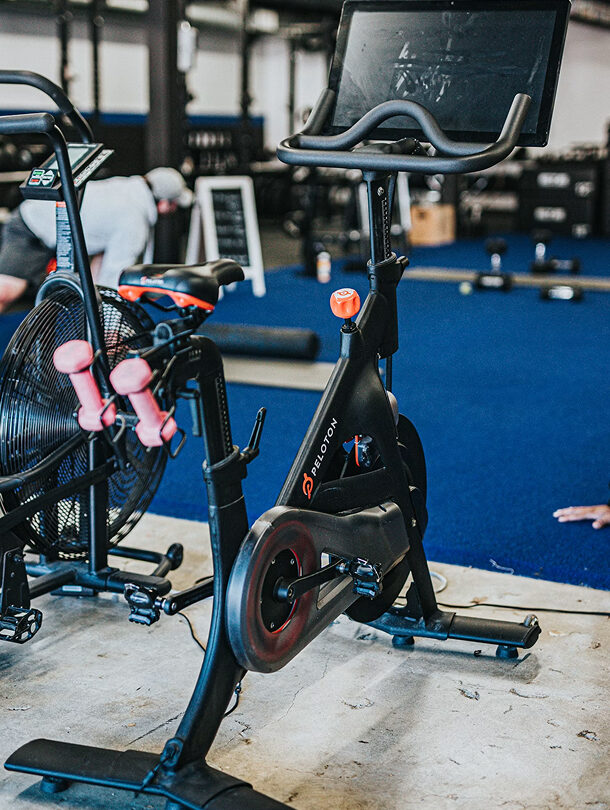
Peloton’s demand soared during the pandemic and then fell sharply as routines returned, a reminder that a moving market requires constant testing of what customers will keep paying for.
Stage 7
Scale What Works
Expand the approaches that proved themselves, without losing sight of the audience that made them work.
In Practice
Once streaming proved itself, Netflix expanded it worldwide and moved into original programming, scaling the model rather than the product it started with.

Stage 8
Sustain & Evolve
Keep watching for the next disruption. The end of one cycle is the start of the next assessment.
In Practice
Libraries keep adding new services as community needs change while holding on to a core purpose, treating adaptation as an ongoing practice rather than a one-time fix.

Coming soon
A metrics dashboard to help you track progress at every stage.
Journalism’s future won’t come from restoring the models that worked before. It will come from newsrooms willing to redesign themselves around what their communities value now.”
— Amy Mitchell, Executive Director, CNTI
Frequently Asked Questions
Answers to common questions about the framework, our programs, and how to get started.
What is the Business Success Framework?
It’s a strategic model developed by the Center for News, Technology & Innovation to help news organizations build sustainable businesses. Drawn from cross-industry research, it guides newsrooms through eight stages, from assessing their market to scaling what works, and is designed to be applied continuously rather than once.
How does CNTI use AI in the Business Success Initiative?
CNTI uses AI responsibly throughout the Business Success Initiative, as a tool to support our team’s work, never to replace human expertise and judgment. Any AI we use to assist with research, analysis, or coaching is carefully tested for accuracy and reviewed by our team. Our goal is to make the initiative more effective without compromising the trust and quality news organizations rely on. New case studies focused on AI are coming soon.
Who is behind the Business Success Initiative?
The initiative is led by the Center for News, Technology & Innovation, an independent global research center that works to foster sustainable, independent journalism, open digital ecosystems, and informed public policy. The project team includes Amy Mitchell, CNTI’s founding executive director, Dr. William Towns, and Prabhat Mishra, with guidance from an advisory group of leaders across the news industry.
What does it cost?
There are several ways to get started, so you can choose what fits your goals and budget. You can purchase individual case studies, save with bundles of case studies and resources, buy passes to workshops and events, or book one-on-one coaching sessions. Pricing for each option is listed in the Store.
How is it different from other news sustainability toolkits?
Most toolkits focus on restoring or optimizing existing revenue streams. The Business Success Framework starts from a different premise: that lasting sustainability comes from redesigning your organization around the value your community needs now. It’s also built on research from outside journalism, giving news leaders a wider lens on how organizations survive disruption.
Why does the research include companies outside journalism?
Disruption isn’t unique to news. Studying how organizations in entertainment, retail, fitness, and public services responded to structural change reveals patterns that are easy to miss when you only look at your own industry, including lessons from those that didn’t adapt.
Can any news organization use the framework?
Yes. The framework is designed for news organizations of every kind, whether nonprofit or for-profit, local or national, print, digital, or broadcast, new or long-established. The eight stages stay the same for everyone; how you apply them depends on your market, your mission, and your resources. If you’re not sure where to begin, building your curriculum will point you to the tools and case studies that best fit your organization.
Do we have to complete the stages in order?
The stages build on one another, so most organizations benefit from working through them in sequence. But because the framework is a continuous cycle, you can begin where your newsroom is today and return to earlier stages as your market changes.
How can funders or partners get involved?
There are several ways to take part: as a pilot news organization, a coach, a curriculum developer, or a financial supporter.
Ready to Build a Newsroom That Lasts?
Start with a learning path shaped around your organization, or talk with a coach about where your newsroom is in the cycle today.